
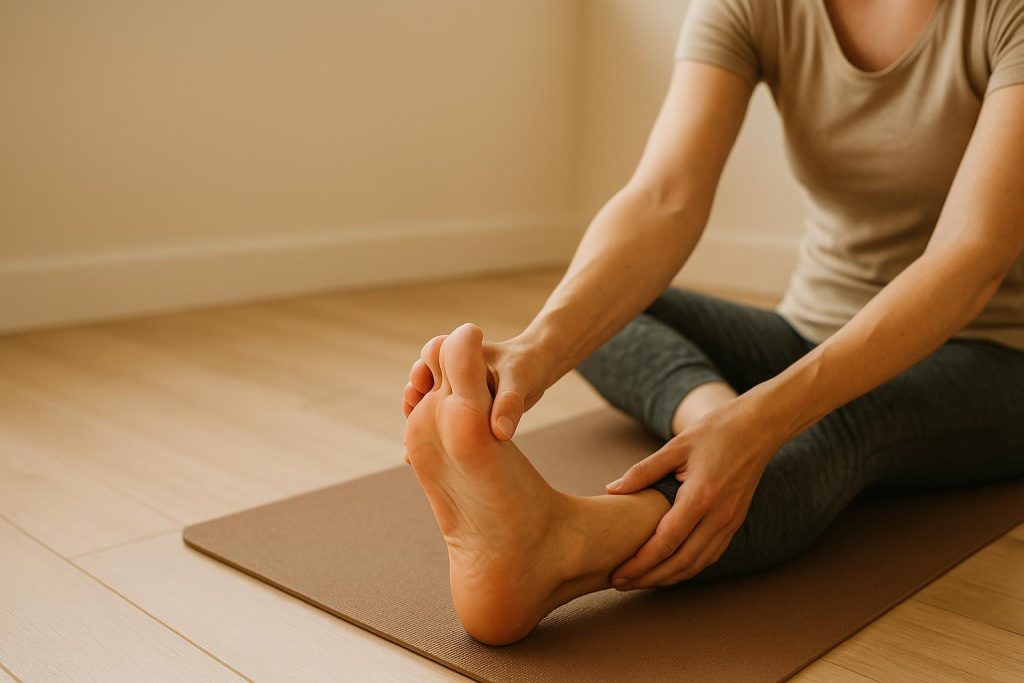
Why Foot Exercises Are Essential to Your Plantar Fasciitis Recovery
Plantar fasciitis may start off as a nagging ache under the heel, but it can quickly become a stubborn source of discomfort if not addressed properly. While massage therapy often provides tremendous relief for this condition, many people wonder if specialized foot exercises are also necessary. The short answer is yes; most professionals and clients alike find that combining consistent foot exercises with focused plantar fasciitis massage leads to faster, more lasting improvements. From stretches that target tight calf muscles to strengthening routines for the arches, foot exercises form a powerful complement to your massage sessions. By working these two approaches into your care plan, you provide your foot the balanced support it needs to thrive without constant pain.
Understanding Plantar Fasciitis and Its Impact
The plantar fascia is a thick band of tissue running along the bottom of your foot from the heel to the toes. It helps support your arch and absorb shock each time your foot contacts the ground. When this tissue becomes irritated or inflamed, you can develop sharp heel pain that makes even simple tasks like walking feel overwhelming. If you have experienced this firsthand, you know how quickly it can interfere with daily activities.
Plantar fasciitis can develop from a variety of factors, including repetitive use, poor arch support, or tight calf muscles. Prolonged standing or walking on hard surfaces and overtraining in sports can also exacerbate the problem. Because the fascia connects so intimately with the calf muscles, Achilles tendon, and other structures in your foot and leg, a comprehensive approach often yields the best results. While massage therapy in Edmonton—or wherever you are—can loosen stiff muscles and reduce tension in the fascia, foot exercises help reinforce those gains by building strength and flexibility.
How Massage Therapy Helps Relieve Plantar Fasciitis
Massage therapy remains a cornerstone for many people seeking relief from plantar fasciitis. During a session targeting the bottom of the foot and lower leg, your therapist applies techniques to release tension and reduce inflammation in the affected tissues. This process can lessen pain and promote better circulation in your feet, encouraging healing. Over time, each session aims to remove knots, adhesions, and trigger points that might be contributing to ongoing discomfort.
Services such as Deep Tissue Massage or Myofascial Cupping may also be recommended for stubborn tension around the heel, arch, or calf. These techniques delve deeper into the muscle layers and fascia, working to loosen areas of chronic tightness. When paired with quality foot exercises, they can create faster, more noticeable progress. Additionally, some massage clinics offer RAPID NeuroFascial Reset Edmonton sessions, a specialized approach that uses movements and targeted pressure to address pain at the neurological level, offering another layer of relief.
The Benefits of Adding Foot Exercises
Beyond the temporary relief obtained during your plantar fasciitis massage, foot exercises help keep your gains intact between treatments. Here are a few key benefits:
- Improved Flexibility: Calf stretches, toe curls, and other targeted exercises keep your muscles and fascia limber. This flexibility reduces the pull on the plantar fascia, lessening tension.
- Stronger Support Structures: Your feet depend on a network of muscles—both intrinsic foot muscles and those in the lower leg—to maintain alignment and absorb impact. Specific strengthening exercises build a more robust support system for your arches and heels.
- Prevention of Future Pain: Since weak or tight muscles can contribute to plantar fasciitis, addressing these issues helps reduce the risk of recurrence. Foot exercises make your feet more resilient to daily stress.
- Reinforced Treatment Results: The relief you feel post-massage is accentuated and prolonged by exercises that increase circulation, promote healthy range of motion, and ensure the fascia does not revert to a chronically shortened state.
Essential Foot Exercises for Plantar Fasciitis Relief
For best results, keep your exercises simple, consistent, and guided by any recommendations your healthcare provider or massage therapist has given you. If you experience ongoing pain or have concerns, be sure to seek proper advice.
Below are several exercises commonly recommended for those dealing with plantar fasciitis:
- Calf Stretches: Stand facing a wall, place your hands on it for balance, and extend one leg behind you with the heel rooted to the floor. Gently lean forward, feeling the stretch in your calf. Hold it for 20 to 30 seconds before switching legs. This lengthens tight calf muscles and can alleviate tendon and fascia tension.
- Toe Curls with a Towel: Place a small towel on the floor. Sit in a chair, resting your foot on the towel. Use your toes to grasp and scrunch the towel toward you, then release. Perform 10 to 15 repetitions to help strengthen the intrinsic foot muscles.
- Heel Raises: Stand with your feet hip-width apart and rise onto the balls of your feet, lifting your heels off the ground. Lower slowly and repeat up to 10 times. This targets the calf muscles and provides an excellent way to build foot and ankle stability.
- Plantar Fascia Massage with a Ball: Though not exactly a traditional stretch, rolling a small ball (such as a lacrosse or tennis ball) under your foot can provide self-myofascial release. Gently roll the ball from your heel to your toes, applying moderate pressure. This can be performed daily to assist in easing foot tension.
Combining Exercises with Massage Sessions
Foot exercises are most potent when fused with regularly scheduled massage therapy sessions. Because massage helps release knots and encourages healthy circulation, your muscles and fascia become more receptive to stretching and strengthening. If you do the same exercises without this foundational relief, you may notice slower gains or hit plateaus more quickly.
By running through your foot routine after a therapeutic massage, you capitalize on the fresh circulation and relaxation in your tissues. Even if you do foot stretches before bed or first thing in the morning, scheduling them on the same days as your massage can boost your results. Think of it as a one-two punch: loosen the tissue through deeper hands-on work, then activate, stretch, and strengthen through targeted movements. Over time, you can experience more flexibility, increased tolerance for activity, and less risk of re-injury.
The Importance of Consistency and Progression
A few stretches once a week will not deliver the best results. Plan to perform your exercises daily or at least every other day. Ongoing consistency helps keep the plantar fascia from tightening up again and ensures your lower leg muscles remain strong. Start with periods of gentle movement, then ramp up the intensity or hold stretches longer as your pain subsides and strength improves. If a particular exercise seems too easy, you can add resistance or increase the number of repetitions.
At first, do not be alarmed if you notice mild soreness. This result simply indicates that underused muscles are adapting. However, you should never push through sharp pain. If a movement aggravates your heel further, consult a registered massage therapist or your healthcare provider for adjustments. With time and patience, your body will adapt, and you will likely see clearer results in everyday tasks like standing, walking, and climbing stairs.
Additional Therapies and Techniques
While foot exercises and plantar fasciitis massage form the core of many treatment plans, you may consider adding other techniques to further support your recovery. Some people find that alternating targeted foot exercises with acupuncture helps reduce persistent inflammation. Acupuncture can balance energy flow and stimulate the body’s natural healing responses, potentially easing foot and calf tightness.
Deeper work on tension areas can be done through RAPID NeuroFascial Reset, where a therapist uses guided movements combined with strategic pressure to reduce pain signals from the nervous system. Similarly, you might consider Myofascial Cupping if you feel your foot or calf muscles are constantly tight, as cupping can help loosen fascial restrictions. These additional therapies are not required for everyone, but they may be beneficial if you have been dealing with this condition for an extended period or have not experienced the relief you are seeking with more conventional approaches.
Common Mistakes and How to Avoid Them
As you incorporate foot exercises into your recovery, keep the following pitfalls in mind:
- Doing Too Much, Too Soon: Pushing through intense pain or performing exercises beyond your capacity can lead to setbacks. Pay attention to your body’s signals and increase intensity gradually.
- Skipping Warm-Ups: Stretches are more effective when muscles are a bit warm. Even a short walk or gentle foot massage before exercise can help loosen tissues for a safer stretch.
- Being Inconsistent: To make real progress, be sure to stretch and strengthen your feet regularly. Only performing exercises sporadically reduces potential benefits.
- Neglecting Other Areas: Remember that plantar fasciitis is not isolated to just the bottom of your foot. Tight hamstrings, weak glutes, or poor hip alignment can all affect your feet. Consider adding complementary exercises for the entire lower body if needed.
Ensuring Long-Term Comfort and Function
Integrating foot exercises with consistent massage sessions can be one of the best ways to ward off chronic plantar fasciitis pain. Each component in your treatment plan—massage therapy, stretching, strengthening, and possibly additional services like Deep Tissue Massage or Myofascial Cupping—plays a distinct role. Massage sessions address immediate tightness and encourage relaxing of restricted tissue, while foot exercises stabilize the improvements you gain.
If you find that foot exercises alone are not delivering the relief you need, do not hesitate to consult a qualified professional for a more thorough treatment strategy. This may include personalized exercise recommendations or an adjustment to your massage routine. Proper footwear or orthotics can also make a difference, especially if you spend a significant amount of time on your feet. A balanced approach that addresses multiple facets of your well-being typically creates the most enduring change.
Beyond Plantar Fasciitis: Overall Foot Health
As you learn how critical foot exercises are for plantar fasciitis, consider maintaining them long after your initial symptoms subside. Your feet support you all day long and can become a hidden source of strain when overlooked. Even if you are not currently in pain, a few daily stretches or short massage sessions can keep the fascia and surrounding areas flexible and resilient. Many athletic trainers, physical therapists, and registered massage therapists in Edmonton and elsewhere recommend foot exercises as a prevention method for those who are active in sports or on their feet at work. By developing a habit of regular foot care, you can reduce the risk of future injuries and enhance overall foot function.
Bear in mind that foot exercises are only one piece of the overall puzzle. Good hydration, balanced nutrition, and stress management can all impact how quickly your body recovers. If you are grappling with chronic pain, consider tackling as many relevant factors as possible. Sometimes emotional stress or high anxiety levels can cause muscles to tighten and intensify discomfort. Addressing both the physical and emotional aspects of pain often yields the best outcomes.
Building Resilience Through Daily Habits
Ultimately, the most powerful way to combat plantar fasciitis is to make daily choices that set your feet—and the rest of your body—up for success. For many, it starts with dedicating just 10 to 15 minutes each day to a focused foot routine: short calf stretches, toe curls, and a little soft-tissue work using a massage ball. Over the long term, these small investments can pay off significantly by helping stave off recurring heel pain, boosting your foot’s natural shock absorption, and encouraging healthy walking and running mechanics.
While you may initially seek out massage therapy to treat a bout of plantar fasciitis, you will soon recognize how crucial daily foot exercises are in reinforcing your progress. By integrating these exercises with hands-on therapy, whether that is a Relaxation Massage or a more targeted session, you can improve both your comfort and mobility in day-to-day life. When approached systematically, your commitment to caring for your feet establishes a foundation for a more active, pain-free lifestyle.
Final Thoughts
In essence, specialized foot exercises and targeted plantar fasciitis massage work hand in hand to relieve pain, foster flexibility, and restore normal function. By taking just a bit of time each day to strengthen and stretch your feet, you enhance the benefits of each massage session and build a more stable recovery path. Though progress can sometimes feel slow, consistent effort often leads to lasting and effective relief.
Whether you are grappling with acute heel pain or looking to prevent recurring plantar fasciitis, remember that a well-rounded plan can make all the difference. Don’t be afraid to ask a registered massage therapist or other healthcare professionals for guidance; they can help tailor your routine to your specific needs, ensuring that you give your plantar fascia the best chance to heal and remain strong over time. By combining knowledge, dedication, and the right treatment methods, you can move forward with confidence—free from the shadow of persistent foot pain.
