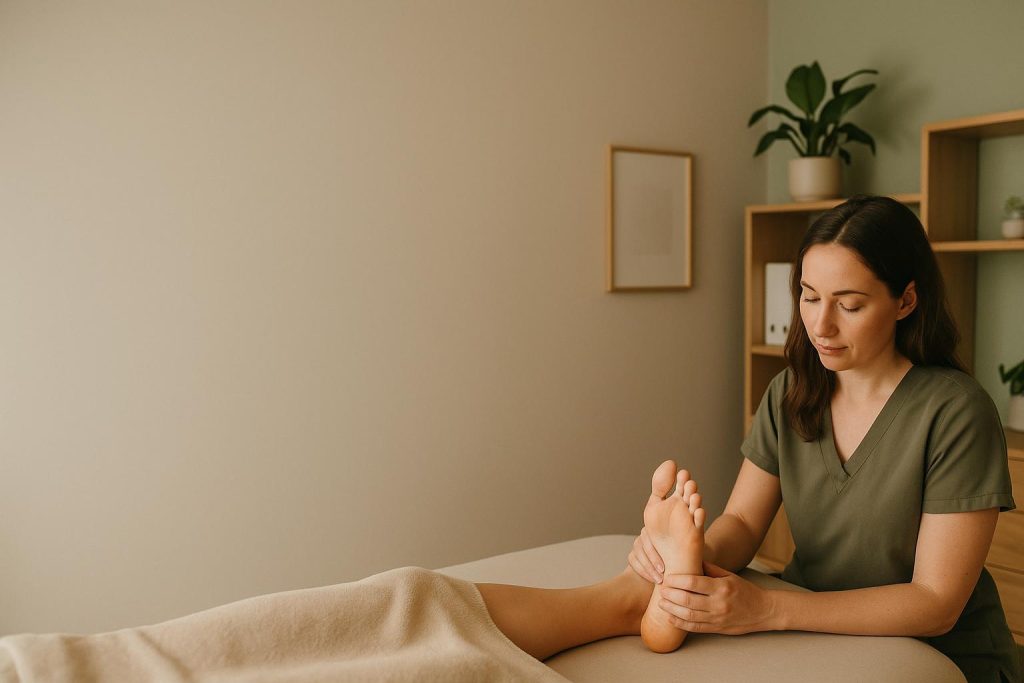
What to Expect After Massage for Plantar Fasciitis
Yes, mild and temporary soreness can be normal after a plantar fasciitis massage, especially when the sole of the foot, heel, calf, or ankle has been tight and sensitive for some time. A targeted massage may work on the plantar fascia—the strong band of tissue along the bottom of the foot—as well as the calf muscles and surrounding tissues that can affect how your foot moves. It is common to feel tender, achy, or slightly stiff afterward.
That said, massage for plantar fasciitis should not leave you in severe pain or make it difficult to walk. The goal is to support comfort and mobility, not to force the tissue to “release” through excessive pressure. A well-planned treatment is adjusted to your symptoms, your activity level, and how your body responds during the session. Knowing the difference between expected post-massage tenderness and a reaction that needs attention can help you recover with confidence.
Why your foot may feel sore after a plantar fasciitis massage
Plantar fasciitis often causes pain near the heel or along the arch, most noticeably with the first few steps after rest. When this area has been painful, people commonly change the way they stand, walk, or exercise without realizing it. That can place added strain on the calves, Achilles tendon area, ankles, and smaller muscles in the feet.
During a therapeutic massage, your massage therapist may use steady pressure and movement to address tight, guarded areas in the calf and foot. If those tissues are already irritated or not used to direct touch, they can feel tender afterward. This is similar to the temporary muscle soreness some people feel after a new workout, although every person’s response is different.
Post-massage soreness does not mean that a treatment has to be painful to be effective. Deep pressure is not always the best choice for plantar heel pain. In fact, overly intense work can make a sensitive foot feel more reactive. Clear communication during your session helps your therapist use an amount of pressure that feels productive but manageable.
What normal temporary soreness can feel like
A mild response generally feels localized and improves rather than escalates. You may notice tenderness where pressure was applied, a dull ache in the arch or heel, calf tightness, or a brief feeling of stiffness when you stand after the session. The foot may also feel tired if it has been worked more directly than usual.
- Mild tenderness in the heel, arch, calf, or ankle.
- A dull ache or stiffness that is tolerable and does not sharply worsen with normal movement.
- Temporary sensitivity to pressure when you touch the treated area.
- Short-lived fatigue in the foot or lower leg.
- Gradual improvement over the next 24 to 72 hours.
Some people feel looser right away, while others need a day or two before they notice a change. Both responses can be normal. Your symptoms may also vary based on how long you have had plantar fasciitis, how much time you spend on your feet, recent exercise, footwear, sleep, stress, and other health factors.
How long should soreness last?
For most people, mild post-massage tenderness settles within one to three days. If the massage was very gentle, you may have no soreness at all. If you had significant calf or foot tightness, the area may feel tender for a little longer, but it should be steadily easing.
Pay attention to the overall trend, not only how you feel in one moment. A foot that is a little sore the next morning but feels better by evening is usually less concerning than pain that becomes sharper, spreads, or intensifies each day. If your pain is not improving after several days, tell your massage therapist before your next appointment. They can adjust the plan, use lighter pressure, focus more on related areas such as the calf, or recommend that you check in with a healthcare provider.
Simple aftercare to make your feet more comfortable
Aftercare should be gentle. The aim is to keep the foot comfortable and avoid adding more strain while it settles. You do not need to push through sharp pain, aggressively stretch a sore arch, or return to a hard workout just because you had a massage.
- Choose easy movement: Take a short, relaxed walk if it feels comfortable. Avoid long periods of standing or high-impact activity if the heel is sore.
- Use cold or warmth based on what feels best: A wrapped cold pack can feel soothing if the area seems irritated after activity. Gentle warmth may feel better for calf tightness. Use either option for short periods and protect your skin.
- Try light calf and foot mobility: Slow ankle circles, gentle calf stretches, and easy toe movement can help you stay mobile. Stop if a movement increases sharp heel pain.
- Wear supportive footwear: Avoid going barefoot on hard floors if that usually aggravates your symptoms. Choose shoes that feel stable and cushioned for your needs.
- Hydrate and rest: Normal hydration, regular meals, and good sleep support your general recovery. There is no need to overdo water intake, but staying hydrated is sensible after any treatment.
- Follow the plan you were given: If you are working with a physiotherapist, physician, podiatrist, or other provider, continue their recommended exercises and advice unless they tell you otherwise.
It can also help to note what you did before and after the appointment. For example, a long shift on your feet, a run, new shoes, or extra walking may explain a flare more than the massage itself. These details give your therapist useful information for planning future care.
When soreness is a sign to slow down
Massage should feel safe and respectful of your limits. Let your therapist know if the pressure feels sharp, burning, pinching, or hard to tolerate. You do not need to endure intense pain for the session to be worthwhile. Starting gently is often the better approach when plantar fasciitis is active, when you have a low pain threshold, or when you are returning to activity after time off.
A personalized therapeutic massage may include work above the foot rather than concentrating only on the painful heel. The calves, lower leg, hips, and gait habits can all influence load through the foot. For some people, a session that combines focused care with calmer techniques is a more comfortable starting point than very deep pressure. A Relaxation Massage can be a useful option when stress and full-body tension are adding to your discomfort.
When appropriate, therapists may also use approaches that focus on soft-tissue mobility without prolonged heavy pressure. Myofascial Cupping may be considered as part of a broader plan for some clients, although it is not right for everyone. Your therapist should explain why a technique is being suggested, what it may feel like, and how it will be adapted to you.
Warning signs that need medical advice
Plantar heel pain is common, but not every painful heel is plantar fasciitis. Seek advice from a healthcare professional promptly if you have symptoms that are severe, unusual, or getting worse. Massage is not a substitute for medical assessment when there may be an injury or another condition involved.
- Severe pain, sudden pain, or pain that prevents you from bearing weight.
- Marked swelling, redness, warmth, bruising, numbness, tingling, or weakness.
- Fever, an open wound, skin infection, or unexplained colour changes in the foot.
- A popping sensation or sudden loss of function in the foot, ankle, or calf.
- Pain that consistently worsens after treatment or does not begin to settle after a few days.
- New symptoms after a fall, impact, or other foot injury.
If you have diabetes, reduced sensation in your feet, circulation concerns, are taking blood-thinning medication, or have a history of clotting problems, discuss massage and any home care with an appropriate healthcare professional first. It is also important to share these details with your massage therapist so treatment can be modified safely.
How to get better results from future sessions
Good communication is one of the most useful tools for managing plantar fasciitis massage soreness. Before your appointment, describe where the pain is, when it is worst, what activities trigger it, and whether you have had imaging, an injury, or care from another provider. During the session, give feedback early rather than waiting until the pressure is too much.
You can use simple, clear language: “That is tender but okay,” “Please use less pressure,” or “That feels sharp.” Your feedback allows the therapist to make real-time changes. A thoughtful care plan may progress gradually as your tolerance and movement improve, rather than treating every session at the same intensity.
At Bounce Right Back Massage, pain-focused care is intended to be tailored to how your body responds. If persistent foot or calf restrictions are affecting your movement, ask whether Rapid NFR Massage may be appropriate for your situation. This targeted approach is not meant to be a one-size-fits-all solution, and your therapist can help you decide whether it fits your goals and current symptoms.
The bottom line
Mild soreness after a plantar fasciitis massage is often normal, particularly when the foot and calf have been tight or painful. It should be temporary, tolerable, and followed by gradual improvement within a few days. Gentle aftercare, supportive shoes, sensible activity changes, and open communication can reduce discomfort and help you get the most from massage therapy.
However, severe pain, swelling, numbness, difficulty bearing weight, or symptoms that keep getting worse are not something to ignore. Listen to your body, let your therapist know how you feel, and seek medical guidance when symptoms suggest more than a routine post-massage response. The best approach is one that supports relief and movement while respecting your body’s limits.