
Why Your Body May Feel Calm and Tired After Massage
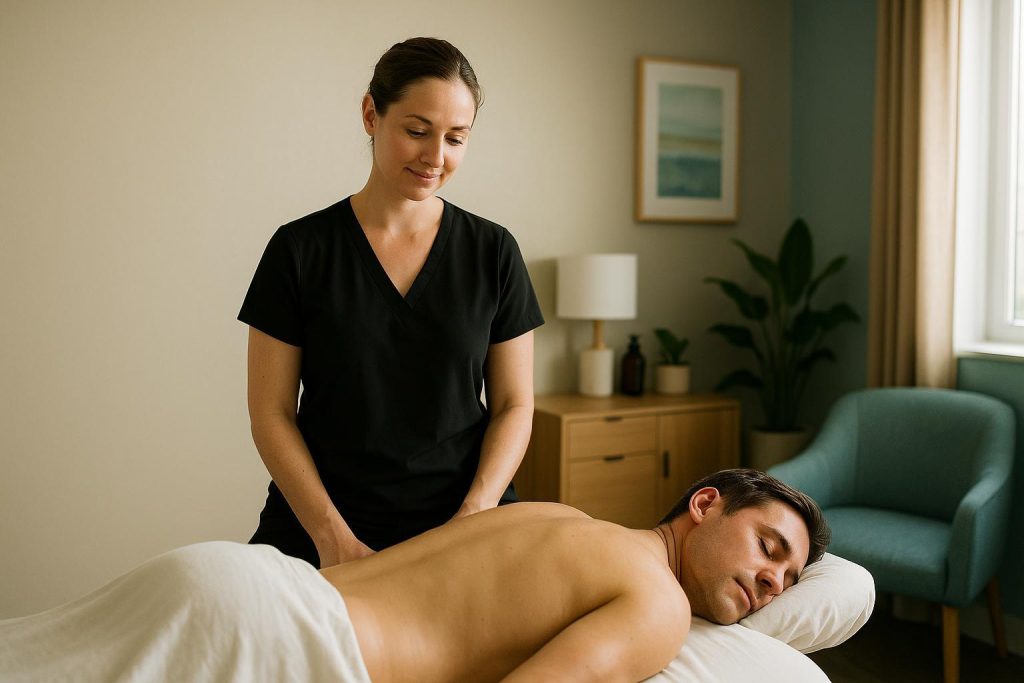
Yes, feeling fatigued or sleepy after a back massage is usually normal. Massage therapy can shift your body out of a busy, stressed state and into a calmer one. Once muscle tension eases and your nervous system has a chance to settle, you may notice a strong urge to rest. Some people feel pleasantly loose and relaxed right away, while others feel quiet, heavy-eyed, or ready for an early night.
This response is especially common after a first massage, a session during a stressful period, or a treatment for ongoing back pain, neck tension, or tight muscles. It does not mean that the massage was too weak or that something is wrong. In many cases, post-massage drowsiness is simply your body responding to a safe, supportive pause from physical and mental strain.
What happens during a massage?
Daily stress, pain, poor sleep, repetitive work, exercise, and long periods of sitting can keep the body in a state of alertness. Your shoulders may stay raised, your jaw may clench, and your back muscles may work harder than they need to. A therapeutic massage gives those tissues and your nervous system an opportunity to downshift.
Gentle, steady touch and focused work on tight areas can support circulation and reduce the feeling of muscle guarding. At the same time, many people breathe more slowly and deeply on the table. These changes can encourage the parasympathetic nervous system, often called the body’s “rest and digest” mode. When that happens, the alert energy you used to get through the day may give way to relaxation or sleepiness.
It can help to think of the tired feeling as your body noticing how tired it already was. When you are rushing from task to task, fatigue can be easy to ignore. After a back massage, the quiet and relief may make that need for rest more obvious.
Common reasons you may feel sleepy after a back massage
- Deep relaxation: Massage can reduce the sense of stress and help the body move from “on guard” to calm.
- Less muscle tension: Holding tight muscles all day takes energy. When they begin to release, you may feel a temporary drop in energy.
- A quieter nervous system: Pain and stress can keep the nervous system highly alert. A calmer state may feel like drowsiness at first.
- Warmth and comfort: A warm treatment room, comfortable table, soothing music, and unhurried time can all make sleepiness more likely.
- Existing sleep debt: If you have not been sleeping well, a massage may make your underlying fatigue more noticeable.
- Emotional release: Stress often shows up in the body. Feeling cared for and physically supported can bring up relief, which may leave you feeling emotionally and physically tired.
People sometimes hear that massage “releases toxins” and that this causes fatigue. That explanation is not necessary to understand a normal tired response. Your liver, kidneys, lungs, and other body systems manage waste continuously. The more likely reasons for feeling sleepy are relaxation, reduced tension, hydration habits, the time of day, and the energy demands of stress or recovery.
Does the type of massage matter?
Any massage can leave you relaxed, but the effect may vary with the goals and intensity of your session. A soothing Relaxation Massage or Hot Stone Massage is designed to encourage rest, so feeling ready for sleep afterward is very common. These sessions may be a good fit when stress, general tension, and poor sleep are major concerns.
A focused Deep Tissue Massage may also leave you tired, particularly if you have been carrying long-standing tightness in your back, hips, shoulders, or legs. Deeper work does not need to be painful to be effective. Let your massage therapist know if pressure feels like too much. A treatment that is matched to your comfort and goals is more likely to support a positive recovery experience.
For stubborn pain or movement restrictions, a targeted approach such as RAPID NeuroFascial Reset may feel different from a full relaxation session. Some clients feel more mobile and alert afterward; others feel they need a quiet evening. The response depends on the area treated, your stress level, your sleep, and how your individual body reacts that day. There is no single “right” post-massage feeling.
How long should post-massage fatigue last?
Mild sleepiness often passes within a few hours, and many people feel refreshed after a nap or a full night of sleep. It is also reasonable to feel a little low-energy the next day after a longer or more focused session, especially when you came in already exhausted or sore. You may also notice mild tenderness in areas that received more attention. This should be manageable and improve rather than steadily worsen.
Plan your first appointment, or any more intensive back pain massage, at a time when you do not need to immediately return to a demanding workout, a long drive, heavy lifting, or a packed schedule. Giving yourself a little room afterward can make the relaxed feeling more enjoyable and help you learn what your body needs.
Simple ways to support your body after massage
You do not need a complicated recovery routine. A few practical steps can help you make the most of your session:
- Drink water regularly: Have water after your appointment and continue your usual hydration through the day. This is a simple way to support normal body function, especially if you arrived dehydrated.
- Eat a balanced snack or meal: If it has been a while since you ate, food can help prevent low energy that may be mistaken for massage fatigue.
- Choose gentle movement: An easy walk, comfortable mobility exercises, or light stretching may feel good. Avoid pushing through pain or forcing a stretch.
- Rest if you can: A short nap, quiet evening, or earlier bedtime can be helpful. Your body may be asking for recovery time.
- Use heat or cold only if advised: Ask your therapist what is appropriate for the area treated and your specific symptoms.
- Notice your response: Pay attention to how your pain, mobility, sleep, and energy change over the next day or two. This information helps guide future sessions.
If you need to return to work or family responsibilities after massage, you can still benefit from treatment. Consider booking a shorter session, choosing a lighter pressure, or telling your therapist that you need to feel more alert afterward. Massage therapy should be adapted to your life, not make your day harder.
When tiredness after massage is not something to ignore
Most post-massage sleepiness is mild and temporary. However, it is wise to contact a healthcare provider promptly for severe, persistent, or concerning symptoms. This includes fainting, chest pain, trouble breathing, a severe headache, new weakness, confusion, fever, significant swelling, or pain that is intense or getting worse. These symptoms are not typical effects of a routine massage and deserve medical advice.
Also speak with your massage therapist and healthcare provider if exhaustion lasts several days, keeps happening at a level that disrupts daily life, or comes with unexplained symptoms. Ongoing fatigue can have many causes, including poor sleep, illness, medication effects, anemia, thyroid concerns, stress, or other health conditions. Massage may support comfort and relaxation, but it should not replace appropriate medical assessment.
Be sure to share relevant health information before treatment, including recent injuries, surgeries, pregnancy, medications, blood-clotting concerns, changes in sensation, or a motor vehicle accident. For accident-related stiffness or pain, Motor Vehicle Accident Massage Therapy can provide a more tailored recovery-focused plan. Clear communication helps your therapist choose techniques that respect your condition and comfort.
How to get the most from your next appointment
Tell your registered massage therapist Edmonton about your main concern, whether it is back pain, stress, headaches, poor sleep, or reduced movement. Mention how you felt after past massages, including if you were very sleepy, sore, energized, or uncomfortable. This feedback is useful. It allows your therapist to adjust pressure, pacing, areas treated, and home-care suggestions to better match your needs.
At Bounce Right Back Massage, care is personalized rather than routine. If you are looking for pain-focused massage therapy Edmonton, your treatment can be adapted around what your body is telling you that day. You are always welcome to ask why a technique is being used, request a change in pressure, or discuss how to plan your post-session recovery.
In short: feeling sleepy after a back massage is commonly a healthy, short-term sign of relaxation and reduced tension. Drink water, eat, move gently, and allow yourself time to rest when possible. If your fatigue feels severe, unusual, or persistent, seek advice from a healthcare professional. With the right pace and a treatment plan that fits your needs, massage can be a practical part of caring for both your muscles and your nervous system.
