
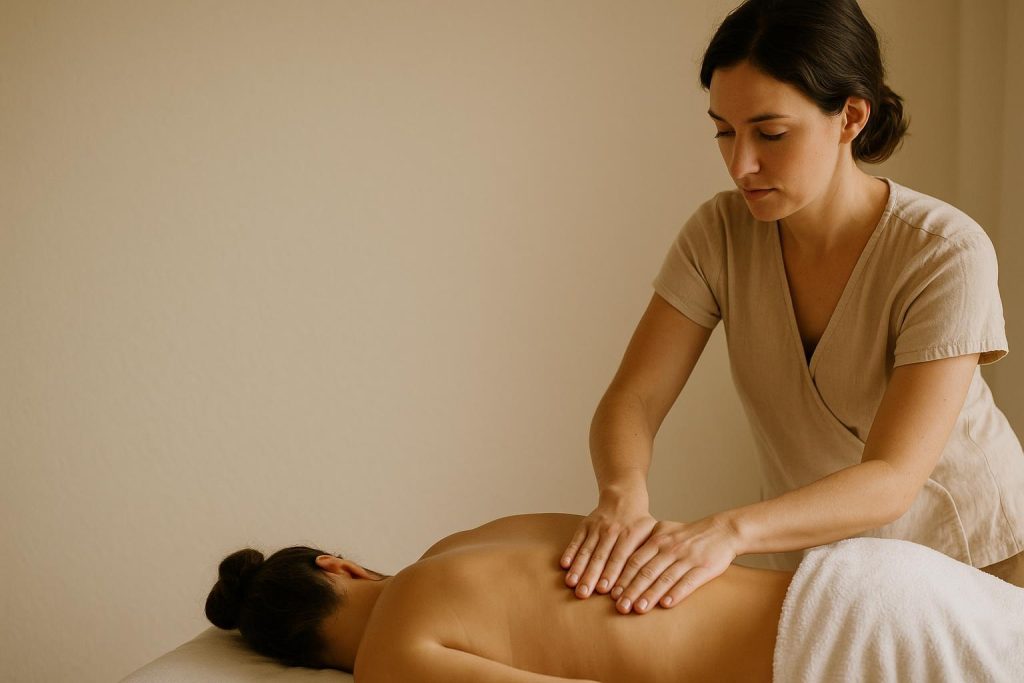
Finding the Perfect Pressure for Your Back Massage
Back massages can offer significant relief from muscle tension, stress, and discomfort. Many people wonder whether strong pressure is the key to obtaining an effective back massage. In reality, it is not so much about brute force as it is about proper technique, communication, and adapting the massage to suit your body’s specific needs. When you seek out a therapeutic massage in Edmonton, you might expect a range of techniques designed to help with pain relief, relaxation, or both. Some people do prefer deep, firm pressure, such as that found in a Deep Tissue Massage, while others discover better results from lighter, more calming styles. What truly matters is finding an approach that feels both effective and comfortable. Below, we will explore various factors involved in determining the right amount of pressure, why personal comfort is crucial, and how to communicate with your registered massage therapist so you can get the most out of each session.
Why Pressure Matters in a Massage
Pressure is what helps manipulate muscle tissue, increase blood flow, and encourage tension release. However, the term “pressure” can be misleading. It is not necessarily about pressing harder on muscles. Instead, a massage therapist’s goal should be to respond to what the muscle tissue needs in the moment. Here are some reasons why pressure matters:
- Physical Relief: Targeted pressure encourages knots to loosen and muscles to relax. This can alleviate stiff areas that have built up over time due to stress, posture issues, or repetitive strain.
- Improved Circulation: Pressure, when applied correctly, helps promote an increase in blood flow. Enhanced blood flow can provide essential nutrients to the muscles, accelerating the recovery process.
- Nervous System Regulation: A balanced approach to pressure can send signals to your nervous system to relax, ultimately reducing tension and promoting overall health. Certain lighter techniques, such as in a Relaxation Massage, are especially effective in calming the mind and body. On the other hand, therapies that incorporate more substantial pressure, like Rapid NFR Massage, focus on direct, purposeful engagement with fascial tissues.
Recognizing Your Comfort Levels
People vary widely in how they experience pressure. What feels intense to one person might feel just right to another. Your body’s comfort and pain thresholds should guide the session. Here are some tips to find and communicate your ideal pressure level:
- Start With Gentle Techniques: If you are uncertain about how deep you want the massage to be, begin with gentler pressure. As your body warms up, you can always request a firmer approach if it feels appropriate. A gentler approach can feel supportive, especially for those new to therapeutic massage or who have sensitive muscles.
- Check In Frequently: A skilled massage therapist will often ask for feedback on pressure. Consider using a scale of 1 to 10 so that your therapist has a clear sense of whether to go deeper or lighten up. Open communication ensures you are never pushed beyond your comfort zone.
- Listen to Your Body: Painful pressure that causes your muscles to tighten can be counterproductive. If you find yourself tensing up, communicate this. A back massage aimed at pain relief should still allow you to breathe easily and remain relaxed. By respecting personal thresholds, you give your muscles their best chance to release tension.
Debunking the Myth of “Harder Is Always Better”
A particularly strong misconception in massage therapy is that harder pressure always yields a more powerful, more beneficial result. To clarify, sometimes deeper pressure is indeed what is called for, such as when someone experiences chronic knots or tension. Techniques like Myofascial Cupping can help address extremely tight or restricted areas if done by a properly trained practitioner. Nonetheless, using only intense pressure hands-on does not guarantee that the muscles will respond for the better. Many individuals will benefit from a moderate or even gentle approach, allowing the nervous system to relax so the muscles can let go naturally.
It is also important to remember that your unique needs can change over time. On one day, you might prefer deeper work that targets your upper back and shoulders, especially if you have consistent tension there. Yet on another day, if you are feeling emotionally and physically drained, you might need a massage style that nurtures instead of presses hard. For instance, a soothing option such as Hot Stone Massage could encourage overall relaxation, and the gentle warmth of the stones aids in relieving tightness without applying too much direct force.
The Art of Tailoring Pressure
An effective massage session truly revolves around tailoring techniques to each individual, which means the right pressure can differ from client to client and from session to session. Some individuals tend to have problem areas in their neck, shoulders, lower back, or hips that require a more thorough approach. Others may have discomfort related to a motor vehicle accident or a sports injury. For those in specialized circumstances, such as pregnancy, a Prenatal Massage can be customized for comfort and safety. A therapist might combine gentle strokes with light or moderate pressure to soothe common aches without straining delicate muscles or overtaxing the body. If you have been in a car accident and are seeking relief, Motor Vehicle Accident (MVA) Massage Therapy can help address pain, though the amount of pressure should remain flexible.
One of the advantages of working with a registered massage therapist Edmonton clients trust is that they know how to navigate various situations skillfully. Massage therapists that offer Acupuncture or Reiki Massage Edmonton might also incorporate these modalities to help relieve tension in a less direct but still highly effective way. The presence of multiple approaches underscores the importance of a versatile, adaptive plan—one that evolves according to the client’s specific issues and comfort signals. Whether you have a lingering knot in your upper back or you suffer from tension headaches, a balanced approach to pressure can prove pivotal.
When Deeper Pressure Might Be Ideal
While harder or deeper pressure is not universally necessary, there are certain scenarios in which a firmer touch may prove beneficial. Consider a client who experiences chronic muscle tightness due to a desk job, advanced athletic training, or an old sports injury. The deeper techniques found in a Deep Tissue Massage can address layers of tension that lighter techniques may not fully reach. Similarly, individuals with scar tissue or fascial adhesions might discover that a robust approach encourages more effective tissue release. If you find yourself dealing with recurring knots or severe stiffness, a deeper form of massage may be more suited to your needs.
Remember, however, that even within a deeper modality, you still have the power to guide the session. A professional massage therapist wants you to say something if you find the pressure is too much. Most prefer that you speak up quickly rather than remain silent and risk aggravating the area. Listening to your body is essential: slight discomfort during deeper work may be acceptable for some, but it should not escalate into sharp pain or lasting soreness.
Exploring Gentle and Moderate Approaches
For some, the idea of a massage is as much about reducing stress as it is about alleviating physical pain. If that sounds familiar, a more moderate option, like a Relaxation Massage, could be just what you need. This style is designed to engage the parasympathetic nervous system, supporting restoration on multiple levels. Stress tends to accumulate in the body, creating or exacerbating muscle tension. Gentle but intentional pressure helps soothe these tension centers without forcing the muscles into an uncomfortable place. Overly aggressive manipulation can sometimes have the opposite effect of what you want, causing muscles to recoil rather than release.
In addition, some specialized treatments may incorporate both gentle and heavier elements. Take TMJ/Tension Headache Massage, for instance. This approach might focus on lighter techniques around the jaw area, neck, and shoulders to reduce strain that can lead to headaches or jaw clenching. Any deeper pressure in these vulnerable regions must be applied slowly and carefully, guided primarily by the client’s feedback. On the other hand, a style like Intuitive Coaching can address emotional stress, which indirectly contributes to muscle tension, through gentle techniques and supportive guidance. An integrative approach acknowledges that tension is not always purely physical—it can also be tied to mental or emotional factors.
Communication: A Key Aspect of Effective Treatment
In order to get the most out of your back massage, it is important to communicate with your therapist before, during, and after each session. By clearly describing your discomforts or goals, you empower your therapist to tailor their techniques properly. Here are a few important communication tips:
- Be Honest About Your Pain: If you feel that something hurts more than it helps, let your therapist know immediately. It is best to avoid the possibility of an injury by speaking up early.
- Provide Useful Feedback: Number scales, hand signals, or short verbal cues help your therapist adjust the pressure on the spot. Do not wait until the session is over—immediate feedback leads to immediate results.
- Discuss Long-Term Goals: Are you looking to release longstanding tension, manage stress more effectively, or enhance your flexibility? This information guides your therapist in choosing which modalities or degrees of pressure will most benefit you over time.
- Check In After the Session: Let your therapist know how you feel post-treatment. If you experienced relief in specific areas, or if you noticed discomfort elsewhere, that evaluation helps guide any adjustments in your next appointment.
Pressure Variations Within a Single Session
Another aspect to keep in mind is that pressure does not have to remain the same throughout a session. Often, a skilled practitioner will start with lighter strokes to warm up the tissues, gradually increase pressure to address deeper knots, and then ease back to gentle work to encourage the nervous system to calm down. This variable approach helps the entire body move from tension toward relief. If, at any point, the depth feels like too much, a simple request can shift the focus. Conversely, if you feel your muscles are able to handle more, letting your therapist know ensures you are getting the level of intensity you desire. The same principle applies whether you are trying a standard back massage, a specialized technique like Rapid NFR Massage, or a soothing Hot Stone Massage.
Adapting Massage to Different Conditions
Everyone’s body has a unique story, shaped by lifestyle, occupation, and previous injuries. If you have an underlying condition, for example chronic back pain due to sciatica or recurring migraines related to tension, the appropriate pressure level can differ dramatically. While certain individuals see breakthrough relief using deeper techniques, others need slow, gentle strokes to prevent flare-ups. This variation is why an informed therapist will closely observe how your body reacts. They might suggest relieving stiff muscles with moderate pressure, followed by specialized modalities like Acupuncture or subtle myofascial work. The outcome is a more well-rounded session that supports full-body relaxation and specific pain relief.
Even if you do not have a particular medical condition, stress itself can manifest in physical ways. While you may assume strong pressure is the only route to results, you might be surprised by how a gentle approach can loosen tension in areas such as the low back or neck. Some people mistakenly believe they must endure intense discomfort to see improvement, but that can actually make muscles resist the process. A calm, measured approach can, in many cases, be just as (if not more) effective than punishingly hard pressure.
Enhancing the Experience Beyond Pressure
There is more to an effective back massage than pressure alone. Consider additional factors that may influence your comfort:
- Temperature and Environment: A relaxing setting, sometimes including soothing music, dim lighting, and comfortable room temperatures, can encourage muscles to unwind. Warming strategies like Hot Stone Massage also promote deeper relaxation.
- Breathing and Mindfulness: Conscious breathing techniques can help you stay relaxed throughout the session. Taking deep, steady breaths signals your body to release tension.
- Positioning and Support: Pillows, bolsters, or adjustments in posture can make certain areas of your back more accessible and reduce strain. For example, a Prenatal Massage often employs specialized cushions to maintain comfort and safety for pregnant clients.
- Aftercare Routines: Proper hydration, gentle stretching, and body awareness following your massage can extend the benefits of the session, regardless of the chosen pressure level.
Conclusion: Balancing Comfort and Effectiveness
The notion that strong pressure is always necessary for a productive back massage is certainly not the whole story. Effective pain relief massage depends on a mindful balance between addressing your body’s problem areas and respecting your natural thresholds. In some cases, a deeper touch can help release persistent knots; at other times, a more delicate approach holds the key to unlocking tension. Each body is unique, and day-to-day conditions can shift the ideal approach even further.
Ultimately, the best results come from open dialogue. By communicating openly with your therapist about what feels tolerable or soothing, you enable them to adapt as the session progresses. A great back massage combines targeted pressure, skillful technique, and respect for your body’s signals. With this balanced method, you can move closer to your goals—be that stress relief, improved flexibility, or clearer awareness of your body’s needs—without the discomfort that comes from excessive force.
Whether you lean toward the firmer touch of Deep Tissue Massage or find relief in gentler sessions like a Relaxation Massage, the real key is matching the approach to your personal comfort level. Rather than searching for the single “best” style, focus on the session that resonates most with your body and wellness objectives. When in doubt, keep an open mind, and remember that you do not have to endure excruciating pressure to feel a real change. A wise combination of technique, communication, and adaptability ensures you receive a supportive, restorative back massage that truly meets your unique needs.
