Understanding the Different Approaches to Foot Massage and Targeted Plantar Fasciitis Treatment
Foot pain can be more than a minor nuisance. It may limit your day-to-day tasks, keep you from enjoying walks or workouts, and affect your overall quality of life. If you are researching ways to address foot soreness, including plantar fasciitis, you have likely come across two main paths: the general foot massage and more specialized plantar fasciitis treatments. This article will clarify the differences between the two, share how they might complement each other, and give you greater insight into why targeted care often proves essential if you struggle with chronic foot issues.
Why Foot Health Matters
Our feet work hard every day. They bear our body weight, absorb impact with each step, and stabilize us in standing and moving positions. When discomfort arises in the feet, it can disrupt everything from your posture to your mood. A throbbing heel or persistent tightness in the arch can alter your gait and trigger secondary issues such as knee, hip, or lower back strain. That is why giving your feet the attention they deserve is so important.
What Is a General Foot Massage?
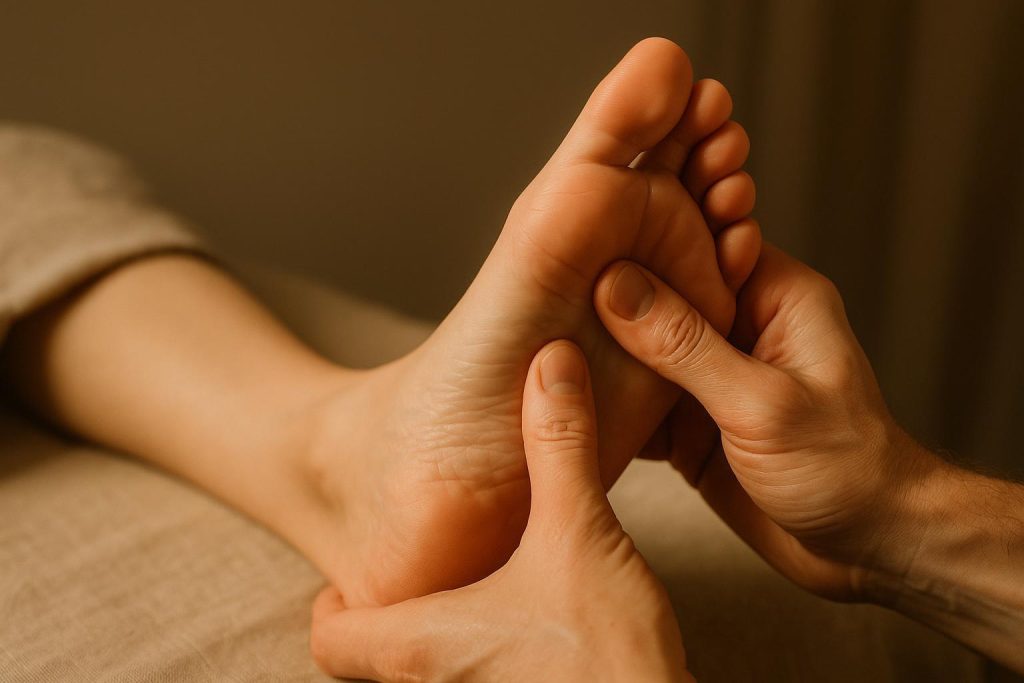
A general foot massage is sometimes called a relaxation foot massage or a spa-style foot massage. Its primary goals include reducing mild tension and stress in the muscles, ligaments, and tendons of the feet. In many cases, therapists use lighter to moderate pressure, soothing strokes, and gentle stretching of the arches. This approach encourages circulation, can help decrease everyday aches, and often improves the overall sense of well-being. People frequently report feeling relaxed and calm afterward.
While these benefits are valuable, a standard foot massage may not address deeper structural woes like plantar fasciitis. That is because plantar fasciitis involves inflammation and tiny tears in the plantar fascia tissue, which needs a more targeted focus than a normal foot rub can provide.
What Is Plantar Fasciitis?
Plantar fasciitis is a common cause of heel and arch pain. The plantar fascia is a band of fascia (connective tissue) that stretches from the heel to the toes, helping to support the foot’s arch. When this tissue becomes inflamed or irritated, it often leads to sharp, stabbing sensations around the heel. People might feel this pain first thing in the morning or after long periods of rest, when the tissue tightens and then is suddenly stretched by weight-bearing activity. Without proper attention, plantar fasciitis can become a recurring or even chronic issue.
The pain can often be linked to overuse, improper footwear, excessive walking or running, or standing all day on hard surfaces. Biomechanical factors, such as flat feet or very high arches, can also make some individuals more prone to this condition.
What Makes Targeted Plantar Fasciitis Treatments Different?
To address plantar fasciitis, specialists apply techniques that often involve deeper pressure and precise friction. The plantar fascia is a tough structure, so this approach can break down adhesions and scar tissue around the heel and arch. By focusing on the underlying cause of discomfort, targeted sessions can help release tightness and promote healing. Over time, this promotes healthier tissue alignment and reduces the risk of ongoing inflammation. Therapists look for the root of the problem, zeroing in on areas typically missed by a more generic foot massage.
In some cases, specific methods like Rapid NFR Massage are employed to address inflammation and tension in the fascia. This advanced therapy may help loosen the connective tissue and soothe irritated nerves with specialized forms of pressure and motion. A carefully adapted plan ensures your feet receive the level of attention required to restore function and comfort.
Common Symptoms Addressed by Targeted Plantar Fasciitis Treatment
- Heel pain: Often felt most in the morning or after sitting for a while.
- Arch pain: May extend from the heel toward the middle of the foot.
- Limited mobility: Struggling to flex the foot or stand for long periods without discomfort.
- Tight calves: Calf tightness frequently contributes to plantar fascia strain.
- Swelling or warmth: Irritated tissue may be inflamed or tender to the touch.
Techniques Employed in Targeted Treatments
A specialized approach to plantar fasciitis often includes a variety of methods aimed at healing the tissue on a deeper level. Here are some common techniques:
- Deep Pressure and Friction: Aimed at stretching and loosening the tight connective tissue near the heel and along the arch.
- Myofascial Release: Helps break up adhesions that restrict movement, often beneficial when combined with other massage approaches.
- Trigger Point Therapy: Identifies and addresses specific knots or tension points contributing to pain.
- Targeted Stretching: Prolonged, gradual stretching of the plantar fascia and calves can help restore flexibility while minimizing pain.
Many therapists also blend these techniques with gentler approaches to reduce stress on already sensitive areas. You may see variations of deep tissue work that adapt pressure intensity to keep your foot comfortable while still addressing the problem at hand. When performed regularly, these sessions can substantially reduce pain and allow you to walk or run without that all-too-familiar stab in the heel.
Balancing Relaxation with Deeper Focus
One point to consider is that a specialized plantar fasciitis session can still integrate elements of a general foot massage. Your therapist may start with more soothing strokes to prepare the muscles and fascia. This helps calm your nervous system, loosen mild tension in the foot, and warm up the tissue. Then, they can move into deeper, well-placed pressure around the areas that are causing the most pain. This blend of relaxing and targeted work offers a comprehensive approach. You get the stress relief and calming benefits of a typical foot massage, plus the direct healing focus needed for your plantar fascia.
Other Complementary Therapies
Though targeted plantar fasciitis treatments can be highly effective on their own, some individuals benefit from adding complementary therapies. For instance, Deep Tissue Massage can address more widespread muscular tightness that influences foot alignment. When calf muscles are particularly tight, they can place extra strain on the foot’s arch, exacerbating plantar fasciitis.
Techniques like Myofascial Cupping can further assist by loosening restricted fascia and improving blood flow. Acupuncture may also be used to address inflammation and enhance the body’s natural healing responses. These treatments, when combined with consistent home care, can significantly reduce flare-ups and help you stay on track.
Self-Care Routines to Support Foot Health
While receiving professional treatments, you can also adopt self-care practices that promote a better outcome. If you are dealing with plantar fasciitis or foot pain, consider the following:
- Daily Foot Stretches: Gently stretch your calves and plantar fascia first thing in the morning and throughout the day.
- Regular Ice or Heat Applications: An ice pack can help reduce inflammation, while a warm foot bath can calm tight muscles.
- Footwear Assessment: Look for shoes that offer adequate support and cushioning, especially around the arch and heel. Orthotic inserts or custom insoles may provide added relief.
- Rolled Arch Exercises: Using a tennis ball or specially designed roller, gently roll the arch of your foot to encourage circulation and elasticity in the fascia.
When to Seek Professional Help
If you notice persistent discomfort in your arch, heel, or general foot area, it may be time to consult a massage therapist or other healthcare professional. This is especially true if the pain interferes with your daily movements or if you suspect an underlying issue like plantar fasciitis. A targeted approach by a skilled provider can yield quicker and more significant improvements than a general approach alone. In many cases, a specialized provider will conduct an initial assessment, listening to your history of foot pain, your daily activities, and any changes you have noticed. This information helps determine whether a deeper, more intense focus is necessary.
Plantar fasciitis can worsen if left untreated, turning a mild irritation into a recurring issue. Rather than waiting for the pain to become severe, it is wise to consider targeted treatment early on.
Frequency and Duration of Treatments
The number of treatment sessions needed can vary. For milder cases, you might notice improvement after several appointments, while more severe or chronic conditions may require consistent care over a few months. Therapists who specialize in treating foot concerns typically suggest an initial series of sessions to jumpstart healing, followed by maintenance visits as needed. By sticking to a scheduled plan, you can prevent flare-ups and keep your feet feeling their best.
Combining Targeted Work with Everyday Foot Massage
Plantar fasciitis treatments do not have to be an all-or-nothing proposition. You can combine targeted techniques with general foot massage for a well-rounded approach. For example, a gentle foot massage might provide relaxation after a long day, while specialized sessions zero in on your plantar fascia. By balancing both, you can achieve a higher level of relief that addresses the immediate stresses on your feet, as well as the more entrenched sources of pain.
What to Expect from a Foot-Focused Session
When you book a targeted session, most therapists will begin with a short consultation to understand your concerns. They may palpate the arch and heel areas to locate tension points or pain. Following this, the therapist might start with warming, gentle strokes, which calm the area before deeper, specific work begins. The level of pressure used will depend on your tolerance and the therapist’s assessment of the plantar fascia.
Some people feel discomfort during deeper bouts of friction or stretching, especially if the area is already inflamed. Let your therapist know if something is painful instead of just mildly uncomfortable. Clear communication ensures that the session remains both productive and respectful of your threshold for pressure. Therapists who adjust their methods to your comfort level can help you see positive results without aggravating the injury further.
Why Personalization Matters
No two feet are exactly alike, and no two plantar fasciitis cases are identical. That is why a personalized treatment plan matters. A qualified therapist will look beyond the obvious symptoms to evaluate other factors affecting your foot health, such as ankle stability, calf flexibility, and the alignment of your knees and hips. When the focus is on discovering the root causes, you often experience more lasting progress.
Self-Advocacy and Empowerment
When you have reliable information about your body, you become an advocate for your own well-being. Learning the difference between a general foot massage and specific plantar fasciitis treatments empowers you to make thoughtful choices. If you enjoy receiving a relaxation foot massage, you do not have to give it up entirely. Just recognize that it may not effectively address persistent heel or arch issues. If you are committed to overcoming plantar fasciitis, talk with a therapist who understands this condition and be open to a more specialized plan.
Consider a More Comprehensive Treatment Approach
In many cases, foot pain is rooted in tension or misalignment elsewhere in the body. Tight hamstrings or overworked hip flexors can contribute to foot strain, for example. If your therapist notices these patterns, they can discuss additional modalities to better support your recovery. Services like Rapid NFR Massage or other targeted therapies can offer relief if your feet are only part of the problem. Correcting postural imbalances, improving muscle flexibility, and managing stress levels may all play a role in foot health.
Final Thoughts for Healthier Feet
A general foot massage can be a calming, beneficial practice for relieving minor aches and boosting circulation. Yet it often falls short when tackling more entrenched conditions like plantar fasciitis. By contrast, a well-planned targeted treatment zeroes in on tight or inflamed tissue, focuses on releasing deeper tension, and aims to address the root cause. This can make a world of difference in your long-term comfort and mobility. For lasting results, keep in mind the importance of proper footwear, regular stretching, and supportive therapies that complement your treatment. Your feet do a lot for you. Ensuring they stay in prime shape can help you move more confidently through all of life’s adventures.
If you are experiencing recurring foot pain or suspect you have plantar fasciitis, consider reaching out to a specialized provider. A thoughtful, comprehensive approach may lead to meaningful pain relief and help you feel more secure on your feet each day.